On this page
- What are the non-negotiable entry requirements for commodity trading?
- Which degrees actually help you get into commodity trading?
- Which second languages genuinely matter in commodity trading?
- Why is a commodity internship the single most important entry asset?
- How does the operations route compare with the front-office trading route?
- What do Geneva commodity trading firms screen for?
- What do Singapore commodity trading firms screen for?
- Which skills transfer across both Geneva and Singapore?
- Which entry routes into commodity trading are realistic?
- Key Takeaways
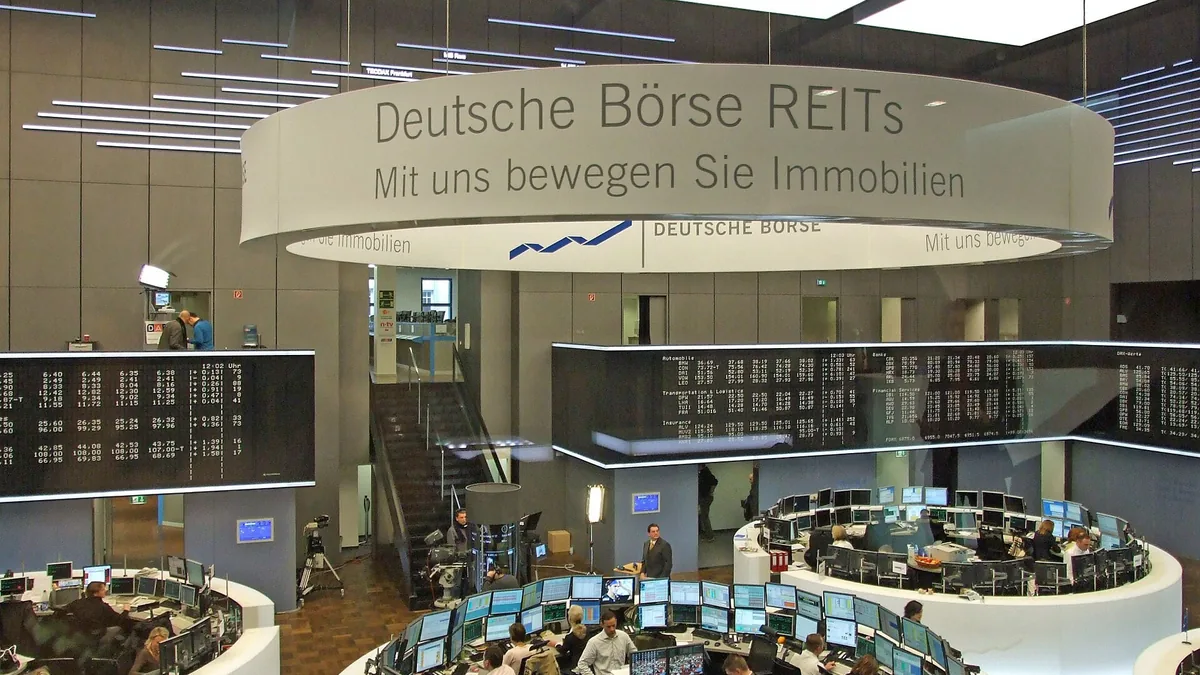

Commodity trading is one of the hardest finance careers to enter precisely because firms hire few juniors and expect them to be useful fast. The realistic entry routes are a top-tier degree plus a trading house internship, or a sideways move through operations, trade support, or analytics, with the second path being far more accessible. This checklist covers what Geneva and Singapore firms actually screen for, and which routes are worth your time.
If you are new to the mechanics of the business itself, start with our guide on how commodity trading works, since interviewers will assume you understand the physical flows behind the paper.
What are the non-negotiable entry requirements for commodity trading?#
Commodity trading candidates must clear five baseline requirements before any specific route matters: fluent English, solid numeracy, active market awareness, willingness to relocate, and a clean compliance record. Every trading house, from Geneva majors to Singapore oil desks, screens for these items, and weak English in particular cannot be compensated for by other strengths.
- Fluent English. All trading floors in Geneva and Singapore operate in English. You cannot compensate for weak English with other strengths.
- Solid numeracy. You will be tested on mental arithmetic, percentages, and unit conversions (barrels to metric tons, BTUs to MWh) at interview.
- Market awareness. You should follow at least one commodity actively and be able to explain why its price moved last quarter. Reading price reporting agency assessments is the standard preparation; see what price reporting agencies actually do.
- Willingness to relocate. Trading careers almost always involve moves between Geneva, Singapore, Houston, London, Stamford, and origin offices in producing countries. Candidates who refuse to travel are filtered out early.
- Clean record. Compliance checks are strict, and regulated jurisdictions add conduct and market-abuse screening. In Switzerland, FinfraG imposes licensing and reporting obligations on larger firms; see FinfraG explained: Swiss commodity trading rules.
Which degrees actually help you get into commodity trading?#
A specific “commodity trading degree” is rare and not required for commodity trading careers. Firms screen for analytical rigor plus evidence of commercial interest, so quantitative subjects such as engineering, mathematics, physics, and economics are strong fits for trading and analytics roles, while finance, accounting, and supply chain programs suit trade finance and operations paths.
Strong fits:
- Engineering, mathematics, physics, or economics for trading and analytics roles. Quantitative subjects signal you can handle pricing, risk, and optimization work.
- Finance or accounting for trade finance, credit, and middle-office paths.
- International business or supply chain programs for operations and logistics roles.
Weaker fits, but workable:
- General business or humanities degrees are fine for operations and support roles, but you will need internships or extracurricular proof of market interest.
- MBA programs can open doors at trading houses for candidates with prior commodity, shipping, or energy industry experience. An MBA with no relevant background rarely works.
Does university brand matter more than degree subject?#
University brand matters more than degree subject in commodity trading recruiting. A mathematics degree from a well-known university beats a niche energy degree from an unknown one. Large trading houses in Geneva recruit heavily from a shortlist of European universities, and Singapore desks do the same with regional and UK institutions. If you are not at one of those schools, the internship-plus-operations route is your realistic path.
Which second languages genuinely matter in commodity trading?#
English is the working language on every commodity trading floor, so the real question is which second languages carry weight. French is highly valued for Geneva and West Africa desks, Mandarin for China-linked business in Singapore, and Russian, Spanish, Portuguese, and Arabic each serve specific origin-facing flows.
| Language | Where it helps | How much it helps |
|---|---|---|
| French | Geneva, West Africa desks, Mediterranean trade | High in Geneva; often expected for Africa-origin flows |
| Mandarin | Singapore, China-linked oil, metals, and LNG desks | High for China business; less critical elsewhere |
| Russian | Oil, gas, and metals desks covering CIS origins | Niche but valued; fewer candidates have it |
| Spanish | Latin American crude, metals, and agricultural desks | Moderate; useful for origin roles |
| Portuguese | Brazil-linked oil, sugar, and grain flows | Moderate; a genuine differentiator |
| Arabic | Middle East crude and LNG relationships | Useful, mostly for origin-facing roles |
Should you learn a language purely for a trading career?#
Do not learn a language purely for commodity trading career purposes. A conversational level is what desks need for relationship building, and interviewers can tell the difference between genuine fluency and a CV line. If you already have one of these languages from family or study, lead with it.
Why is a commodity internship the single most important entry asset?#
Nothing on a CV opens commodity trading doors like a commodity internship. Trading houses, oil majors, and utilities run structured programs, and conversion rates from intern to graduate hire are far higher than external application rates. Candidates with one commodity internship on their CV also get interviews for the next cycle at a much higher rate.
A realistic internship checklist:
- Apply early. Geneva and Singapore internship applications typically close in autumn for the following year. Missing deadlines is the most common self-inflicted failure.
- Target the right firms. Trading houses, oil majors with trading arms, utilities, shipping companies, and commodity trade finance banks all count. A logistics internship at a smaller physical trader is worth more than an unrelated internship at a big bank.
- Prep the interview format. Expect mental math tests, brainteasers, and market questions such as why Brent trades at a premium to WTI (see our comparison of Brent vs WTI crude oil benchmarks) or why gas prices vary by season.
- Convert or leverage. If you get no return offer, the internship still counts. Candidates with one commodity internship on their CV get interviews for the next cycle at a much higher rate.
What if you cannot land a commodity internship?#
If you cannot land a commodity internship, adjacent experience works: shipping line operations, refinery or terminal work, trade finance processing, energy journalism, or even agricultural procurement. What matters is demonstrated proximity to physical flows.
How does the operations route compare with the front-office trading route?#
Most commodity industry entrants start in operations rather than the front office, and operations is not a consolation prize. Physical trading houses promote heavily from within because operations knowledge is the core of the business, and operations roles have more openings with moderate competition compared with the very high competition for few front-office seats.
| Dimension | Front office (trading) | Operations (scheduling, logistics, trade support) |
|---|---|---|
| Typical entry | Graduate program or internship conversion | Direct applications, internships, lateral hires |
| Competition | Very high, few seats | Moderate, more openings |
| Skills screened | Market reasoning, mental math, risk intuition | Precision, process discipline, geography, Incoterms |
| Career trajectory | Junior trader, then book owner | Scheduler, ops manager, or internal move to trading |
| Realistic odds | Low without target school or internship | High for organized, detail-strong candidates |
How does the operations route work?#
Schedulers and operators handle cargo nominations, vessel bookings, demurrage, blending logistics, and documentation. After two to four years, strong performers are the first candidates considered when a junior trading seat opens, because they already know the physical constraints that traders price. Understanding instruments like letters of credit in commodity trade finance is part of daily life in ops and a genuine interview asset.
How does the front-office route work?#
Graduate trading programs at the large houses are extremely selective. The realistic profile is a quantitative degree from a recognized school, one or two relevant internships, strong mental math, and clear evidence you follow markets independently. Some firms also hire experienced hires from banks, refineries, or producers, which is a viable path for mid-career professionals.
What do Geneva commodity trading firms screen for?#
Geneva firms, operating in one of the densest trading house clusters in the world covering oil, metals, grains, and soft commodities, screen candidates for physical market understanding, mental math under pressure, risk framing, French for Africa desks, and character and resilience. The reasons the city became a hub are covered in why Geneva became a global commodity trading hub, and they shape the hiring profile.
Screening criteria you should expect:
- Physical market understanding. Geneva firms trade physical cargoes, so interviewers probe arbitrage logic: why a cargo moves from A to B, what freight and quality differentials do to the economics. Review physical vs paper trading: key differences before interviewing.
- Mental math under pressure. Expect percentage, fraction, and conversion questions delivered verbally and fast.
- Risk framing. Candidates are asked how they would hedge an exposure or what happens to a position if freight spikes. Our primer on energy hedging strategies explained simply covers the core tools.
- French for Africa desks. Many Geneva houses run West and North African flows, and French is a practical requirement for some seats.
- Character and resilience. Trading floors are small teams. Firms screen hard for people who stay calm, admit mistakes, and handle volatile days without drama.
What do Singapore commodity trading firms screen for?#
Singapore firms, the Asian counterpart to Geneva and concentrated in oil products, LNG, and increasingly carbon and power-adjacent desks, screen for Asia market geography, LNG and gas literacy, Mandarin for China-linked flows, regulatory awareness, and carbon market familiarity. The screening profile overlaps with Geneva but with distinct emphases.
- Asia market geography. You should know the main refining centers, the Strait of Malacca, and the role of Singapore as a pricing and blending hub for fuel oil and gasoil.
- LNG and gas literacy. LNG trading has grown fast, and firms value candidates who understand cargo-level economics and destination flexibility. Our guide to how LNG trading works: cargoes, routes, arbitrage is directly relevant interview prep.
- Mandarin for China-linked flows. Not mandatory for every desk, but a significant edge when the book trades with Chinese counterparties.
- Regulatory awareness. EU-linked desks care about EMIR and MiFID II obligations (see EMIR vs MiFID II: what energy traders must know), and REMIT matters for anyone touching EU power and gas; see REMIT explained: EU energy market abuse rules. Singapore-based roles are more focused on local exchange and monetary authority rules, but cross-book awareness impresses.
- Carbon market familiarity. Candidates who can discuss the EU ETS credibly, especially as it intersects with Asian compliance and voluntary markets, stand out. Start with how the EU ETS carbon market works.
Which skills transfer across both Geneva and Singapore?#
Certain skills are universal screening criteria for commodity trading roles in both Geneva and Singapore, and all of them can be built deliberately: fast arithmetic and unit fluency, spread and arbitrage reasoning, precise vocabulary, spreadsheet and data skills, and the ability to tell a commercial story about a market you follow.
- Fast arithmetic and unit fluency. Practice conversions daily: barrels versus tons, dollars per ton versus dollars per barrel, MMBtu versus MWh. For gas desks, understand how the TTF gas price works because TTF is the reference point in most European gas interviews.
- Spread and arbitrage reasoning. The core trading question is always why two prices differ and whether that difference is tradable. Build the habit of explaining spreads in freight, quality, timing, and risk terms.
- Vocabulary discipline. Misusing basic terms sinks interviews. Work through a solid glossary, such as our commodity trading glossary: 60 key terms, until the definitions are automatic.
- Spreadsheet and data skills. Excel fluency is assumed; Python or SQL is increasingly a differentiator for analytics-heavy desks.
- Commercial storytelling. In interviews you will be asked to walk through a trade idea or a market you follow. Prepare one commodity in depth: supply sources, demand drivers, freight routes, and current price drivers.
Which entry routes into commodity trading are realistic?#
Not all entry strategies into commodity trading deserve equal effort. The internship-conversion route and operations or scheduling entry are the most realistic, trade finance and analytics entry are medium-probability bridges, and graduate programs plus MBA pivots are low-probability without the right background. Cold-applying to trader roles with no experience is essentially not a functioning route.
| Route | Realism | Notes |
|---|---|---|
| Trading house graduate program | Low | Few seats, target-school heavy, but worth applying alongside other routes |
| Commodity internship then conversion | High | The best single strategy for students; apply broadly and early |
| Operations or scheduling entry | High | Most accessible path; strong internal promotion record in physical houses |
| Trade finance or credit analyst entry | Medium | Viable bridge into trading houses, especially in Geneva |
| Analytics or risk junior roles | Medium | Growing category; converts to trading less often but steadily |
| MBA pivot without prior commodity experience | Low | Works mainly if you have adjacent industry background |
| Cold-applying to trader roles with no experience | Very low | Essentially not a functioning route |
The pattern across all realistic routes: get proximate to physical flows first, then move toward the book. Trading houses trust internal candidates who understand cargo mechanics, documentation, and counterparty risk far more than external applicants with only academic credentials.
Key Takeaways#
- English fluency, fast mental math, and demonstrated market interest are baseline requirements in both Geneva and Singapore; French and Mandarin are the highest-value second languages.
- A commodity internship is the single strongest entry asset; apply early and broadly, and treat adjacent internships (shipping, trade finance, refining) as valid substitutes.
- Operations is not a lesser path: it is the most realistic entry route and the main internal pipeline into trading seats at physical houses.
- Prepare for interviews by mastering one commodity in depth, practicing unit conversions and spread reasoning, and learning the vocabulary precisely.
- Match your route to your profile honestly: target-school candidates should pursue graduate programs, everyone else should target operations, analytics, and internship conversions.
Key concepts
More in Careers Glossary of key terms
Frequently asked questions
Do you need a master's degree to become a commodity trader?
No, but it helps at the large trading houses and banks, where many hires come from quantitative or finance master's programs. A strong bachelor's plus relevant internship experience can be enough, especially for operations and middle-office roles that later lead to trading.
Which languages matter most for commodity trading careers?
English is mandatory everywhere. French is a real advantage in Geneva and for African and Mediterranean flows, while Mandarin is valuable in Singapore for China-linked business. Russian, Spanish, and Portuguese can be niche differentiators for specific desks and origins.
Is it easier to enter commodity trading through operations?
Yes, and it is the most common realistic route for candidates without elite academic credentials. Operations teaches the physical mechanics of the business, and many traders, especially in physical houses, are promoted internally from scheduling, logistics, or trade support.
What do trading houses actually test in interviews?
Expect mental math under pressure, market reasoning questions about why prices differ across regions or times, and scenario questions on hedging or logistics. Fit matters too: firms screen for commercial instinct, resilience, and willingness to relocate.